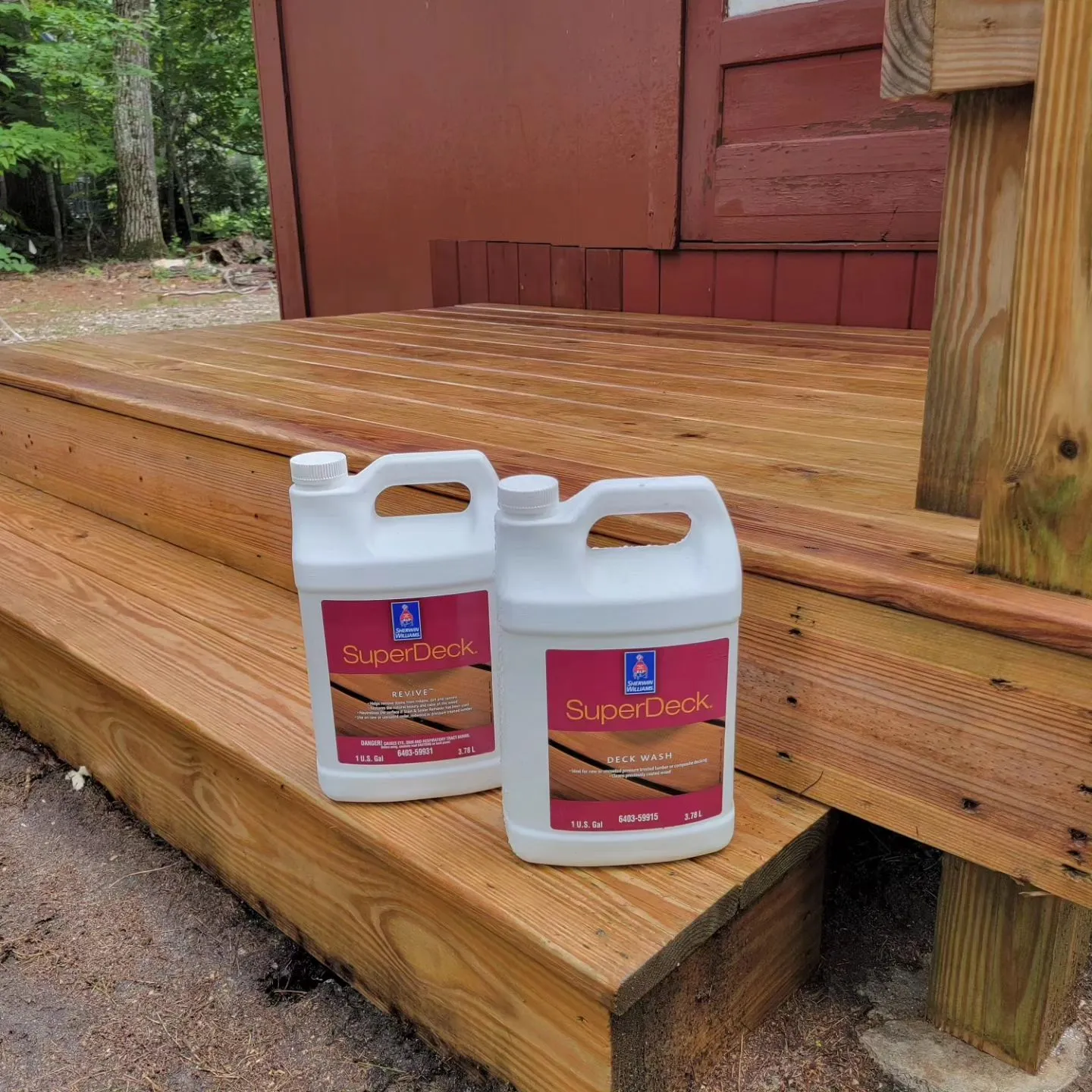
Deck Staining in Raymond, ME: Outdoor Space That Holds Its Finish.
Deck staining for Raymond homes. Pressure-treated, cedar, mahogany decks cleaned, prepped, and sealed with the right product for your wood.
Maine weather is brutal on a deck.
Sun bleaches the color out. Snow and ice find every spot the sealer missed. Untreated wood starts to gray and crack within a season. Once the rot starts, you're not staining anymore, you're replacing. The window to protect your deck is narrower than most homeowners realize.
Decks in Greater Portland take three kinds of beating: harbor salt air in South Portland and Cape Elizabeth, freeze-thaw cycles inland in Windham and Raymond, and UV from south-facing exposures across the whole region. The right product for a cedar deck in Cumberland is not the right product for pressure-treated in Westbrook.
Your home treated with respect, guaranteed.
I know how it feels to look at a deck that used to be the best part of summer and now looks tired. Most painters won't quote a deck stain because the margin is thin. I will, because doing it right means you get to keep enjoying the deck you already paid for.
I run Nappi's Painting out of Raymond, Maine, with a trusted crew of local Maine painters I hire and train myself. No out-of-state hires, no rotating subs. I'm direct contact on every project and on site through the job.
I don't swap crews.
I'm on site with my trusted local Maine crew.
No surprise invoices.
The quote is the price you pay.
No ghosting.
If it fails in the first year, I fix it.
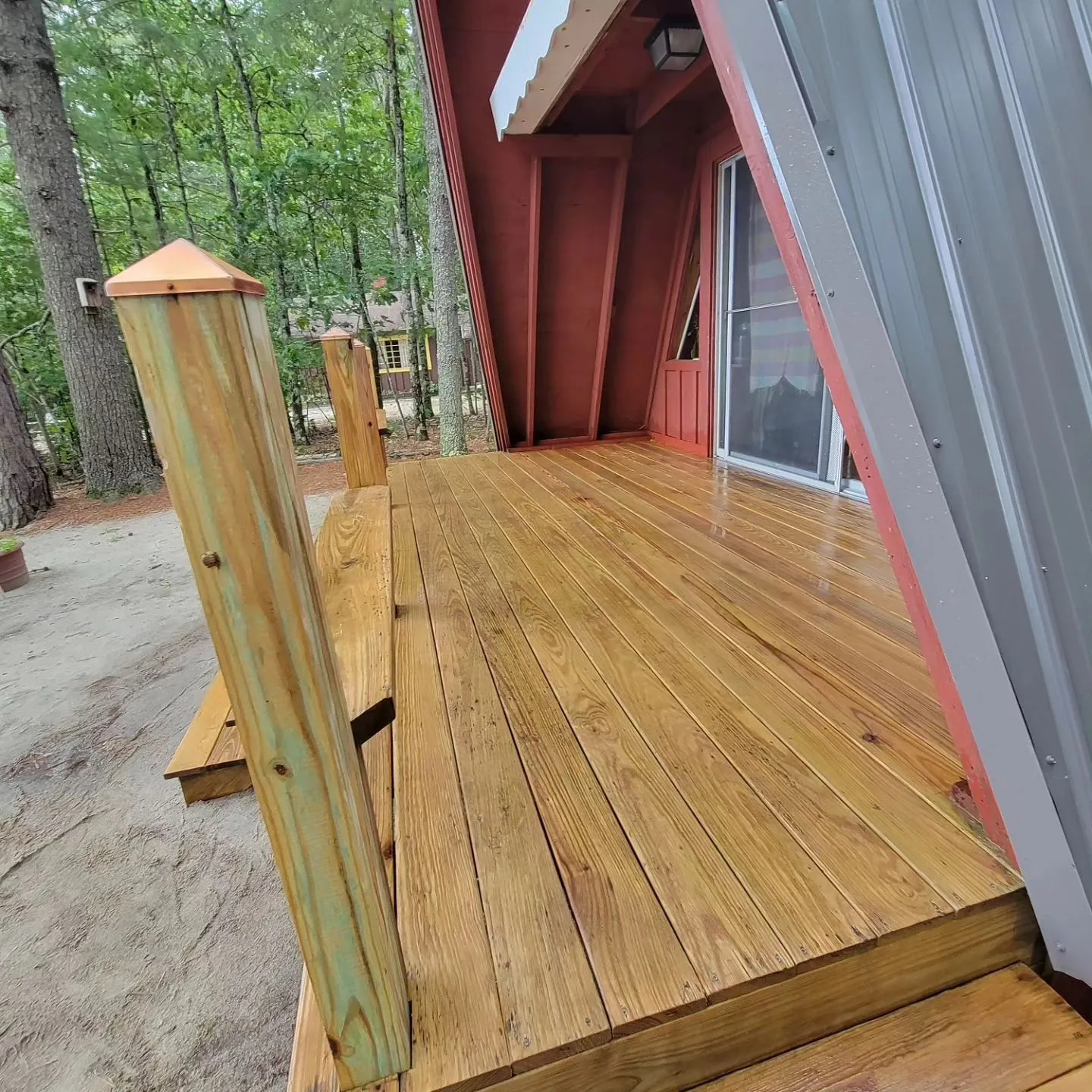
Your simple path to a finished deck.
-
Get an estimate
We walk the deck together. I check the wood, the sun exposure, and what's been done before. Then I write the estimate myself, in my own words. Not a template. Not ChatGPT.
-
We do the work
Clean, sand if needed, stain or seal with a product matched to your wood. Most decks finish in one to two days.
-
Final walkthrough
You sign off on the finish before we leave. If something isn't right, I fix it then.
What Greater Portland is saying about our deck staining.
Reviews from across the work I've done. Service-specific reviews coming as past customers share their stories.
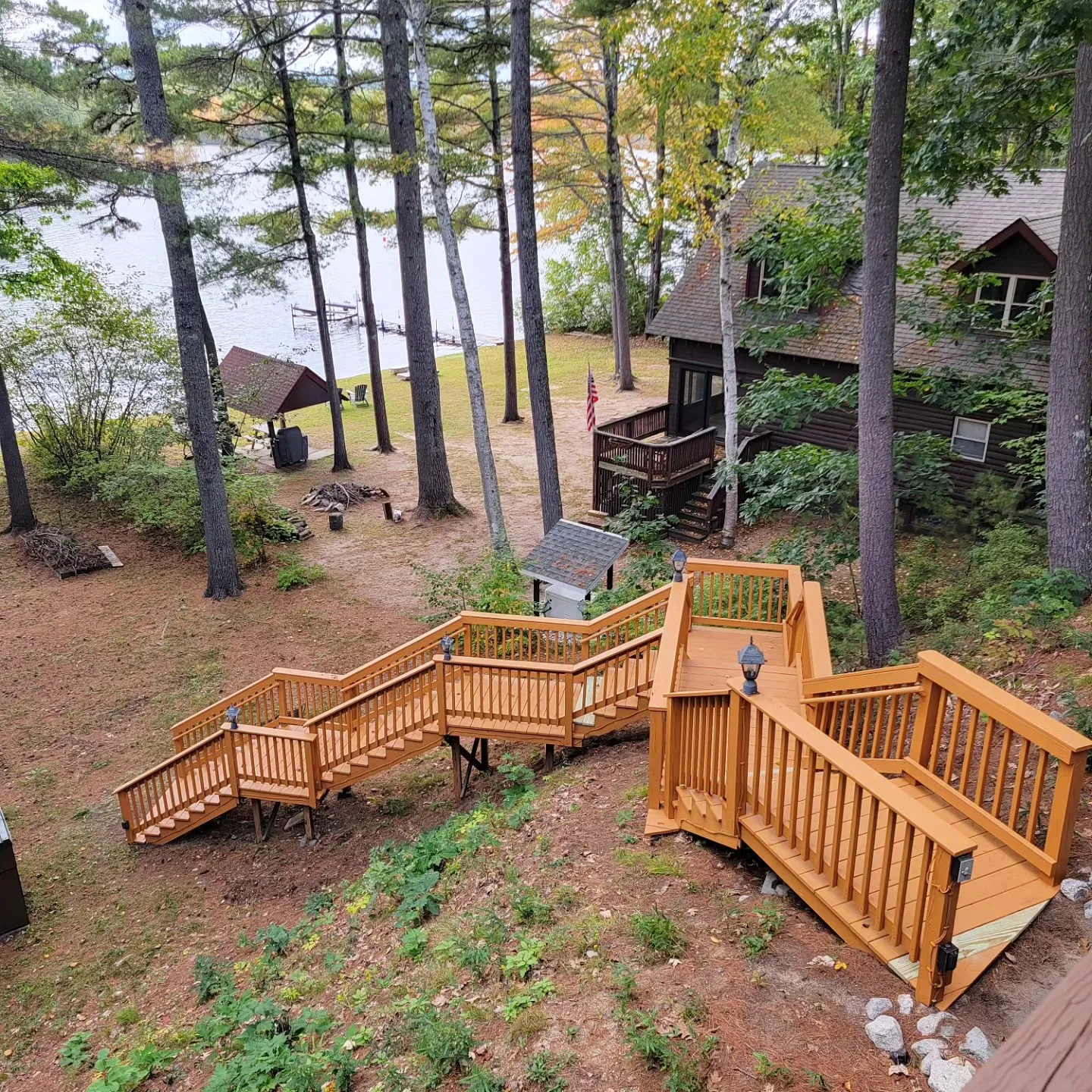
Get a deck that holds through Maine weather.
Putting it off another season means more sun damage, more rot starting underneath, and a board-replacement bill that gets worse every year. Or you can spend the summer on a deck that looks restored, holds its finish, and protects the wood beneath it.
A lot of the same homes that need deck work also need exterior house painting, so let me know if both are on your mind. See all the painting services Nappi's offers across Greater Portland.
Questions about deck staining
How much does it cost to stain a deck in the Portland, Maine area?
Honest answer, it depends on the deck. Size, current condition, and prep drive the price more than the stain itself. A 200 sq ft pressure-treated deck that just needs a clean and recoat is a different number than a 500 sq ft cedar deck with peeling solid stain that needs stripping or sanding. I write every estimate myself after walking the deck in person, no online calculator guesses.
How often should I restain my deck in Maine?
For most decks around Greater Portland, plan on a recoat every 2 to 3 years. Coastal decks in South Portland or Cape Elizabeth take a beating from salt air and often need it sooner. Inland decks in Raymond, Windham, and Naples get hit hard by freeze-thaw. The real tell is water: if it stops beading and starts soaking in, it's time, regardless of the calendar.
My deck is brand new. How long do I have to wait before staining it?
If it's standard pressure-treated lumber, give it time to dry out, usually 4 to 6 months minimum. The mill ships it wet, and stain won't bond properly until the moisture content drops. Easy test: sprinkle water on the boards. If it beads, wait longer. If it soaks in within ten minutes, you're ready. Kiln-dried (KDAT) lumber can go sooner, sometimes within a couple months.
Should I use transparent, semi-transparent, or solid stain?
Depends on the wood and the look you want. Transparent shows off the grain but offers the least UV protection and needs recoating sooner. Semi-transparent is the middle ground and what I use on most cedar and mahogany decks. Solid stain looks closer to paint, hides the grain, gives the strongest UV protection, but it sits on top of the wood and can peel down the road. I'll walk through tradeoffs on your quote.
Do you have to strip or sand my deck before restaining, or can you just clean it?
Depends on what's on there. If the old stain is faded but still bonded, a thorough pressure wash and brightener is usually enough. If it's peeling, flaking, or you've got a failed solid stain on top, that has to come off first, either chemical stripping or sanding. Skipping prep is the number one reason stain jobs fail early. I'd rather spend an extra day on prep than redo it next year.
Ready for a fresh look?
If that sounds right, let's talk about your project.